7-Day PCOD Diet Plan for Women: Easy Indian Meals for a Healthier Routine
Living with PCOD can make everyday health and nutrition feel confusing. You may come across strict diets, lists of foods to avoid, and quick-fix solutions online. In reality, there is no single meal plan that suits every woman with PCOD.
A better approach is to build a balanced routine with nutritious foods, adequate protein, fiber-rich carbohydrates, healthy fats, and appropriate portions. This 7-Day PCOD Diet Plan by Catchealth, with guidance from Dt. Nandini Sikka, provides simple Indian meal ideas that can help you plan your week.

Why Does Diet Matter in PCOD?
PCOD is associated with hormonal and metabolic changes, and lifestyle habits can play an important role in overall health. A balanced diet can help you meet your nutritional requirements and support healthy eating habits.
Rather than following an extremely restrictive plan, focus on meals that contain a combination of vegetables, protein, fiber, and nutritious sources of carbohydrates.
Your 7-Day PCOD Meal Plan
Day 1 — Start With Protein and Fiber
Breakfast: Moong dal chilla with vegetables and curd
Mid-morning: One apple
Lunch: Dal, two whole-wheat rotis, vegetable sabzi, and salad
Evening: Roasted chana
Dinner: Paneer or tofu with sautéed vegetables
Day 2 — A Simple Indian Menu
Breakfast: Vegetable poha with peanuts
Mid-morning: Guava
Lunch: Rajma, brown rice, and cucumber salad
Evening: Unsweetened buttermilk with a few nuts
Dinner: Vegetable soup, tofu/paneer, and one multigrain roti
Day 3 — Add More Variety
Breakfast: Vegetable oats with curd
Mid-morning: Orange
Lunch: Chole, two rotis, mixed vegetables, and salad
Evening: Unsweetened yogurt
Dinner: Vegetable millet khichdi with curd
Day 4 — Nutrient-Dense Choices
Breakfast: Besan chilla with mint chutney
Mid-morning: Papaya
Lunch: Dal, roti, leafy vegetables, and salad
Evening: Roasted makhana
Dinner: Paneer/tofu tikka with vegetable soup
Day 5 — Whole Foods on the Plate
Breakfast: Vegetable dalia with curd
Mid-morning: Pear or seasonal fruit
Lunch: Brown rice, dal, vegetables, and salad
Evening: A small serving of almonds and walnuts
Dinner: Moong dal chilla with vegetable filling
Day 6 — Keep It Practical
Breakfast: Idli with sambar
Mid-morning: One whole fruit
Lunch: Two rotis, chickpea curry, vegetables, and salad
Evening: Roasted chana with unsweetened tea
Dinner: Vegetable khichdi with curd
Day 7 — Finish the Week Balanced
Breakfast: Vegetable omelette with one multigrain roti, or tofu bhurji for a vegetarian option
Mid-morning: Guava or papaya
Lunch: Dal, rotis, seasonal vegetables, curd, and salad
Evening: A small portion of nuts and seeds
Dinner: Light vegetable soup with paneer/tofu and sautéed vegetables
Foods You Can Include in a PCOD-Friendly Routine
Instead of concentrating only on foods to remove, build your meals around nutritious options such as:
Vegetables, especially a variety of colorful vegetables
Whole fruits instead of fruit juices
Dal, beans, chickpeas, and other legumes
Oats, whole grains, and millets
Eggs, paneer, tofu, or other appropriate protein sources
Nuts and seeds in moderate portions
Unsweetened curd or yogurt
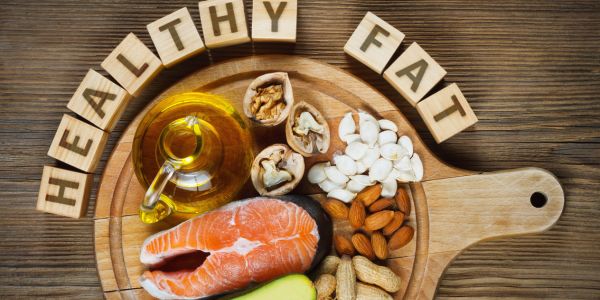
Healthy fats in sensible quantities
The right portion size depends on individual energy needs and goals, so a personalized plan may be necessary.
Foods to Have Less Often
There is no need to label foods as completely “good” or “bad.” However, foods and drinks high in added sugar or highly refined ingredients are generally better consumed less frequently.
Examples include sugary beverages, frequent sweets, packaged snacks, refined bakery products, and heavily processed foods.
Can You Lose Weight With a PCOD Diet?
Weight management can be relevant for some women with PCOD, but it should not be the only measure of health. Goals should be individualized and should take into account overall health, nutritional status, activity, and medical needs.
Avoid crash diets or extremely low-calorie plans. Sustainable eating habits are generally easier to maintain and can provide a wider range of nutrients.
Other Habits That Support PCOD Management
Food is only one part of a healthy lifestyle. Depending on your individual situation, consider incorporating regular physical activity, adequate sleep, stress-management practices, and a consistent daily routine.
If your periods remain irregular or you have concerns about PCOD symptoms, consult a qualified healthcare professional for appropriate evaluation and guidance.
Expert Perspective From Catchealth
At Catchealth, Dt. Nandini Sikka promotes a practical approach to nutrition rather than one based on unnecessary restrictions. A PCOD meal plan should be realistic enough to fit your lifestyle while meeting your nutritional requirements.
Remember that what works for one person may not work for another. Your food choices may need to be adjusted according to your preferences, activity level, health conditions, and professional recommendations.
Conclusion
This 7-Day PCOD Diet Plan is a practical starting point for organizing balanced Indian meals throughout the week. It emphasizes vegetables, protein, fiber-rich foods, whole grains, fruits, and minimally processed choices.
PCOD management is individual, so use this plan as general guidance rather than a fixed prescription. For personalized nutrition advice, speak with a qualified healthcare professional or dietitian.
Catchealth and Dt. Nandini Sikka aim to make everyday nutrition easier to understand so that healthier choices can become part of a sustainable lifestyle.
.png)

Comments
Post a Comment