PCOD Explained: A Simple Guide to Hormonal Imbalance, Symptoms, Diet & Healthy Living
PCOD is one of the most commonly discussed women’s health issues today. With increasing stress, lifestyle changes, and dietary imbalance, many women are experiencing hormonal disorders. A frequently searched question online is “PCOD kya hota hai?”—and understanding it correctly is the first step toward better health.

We will explain PCOD in a simple, practical, and human-friendly way, along with causes, symptoms, treatment options, and dietary guidance inspired by experts like Dietician Nandini Sikka.
What is PCOD?
PCOD (Polycystic Ovarian Disease) is a hormonal condition in which a woman’s ovaries produce immature eggs. These eggs may form small cyst-like structures, affecting normal ovulation.
So, when people ask PCOD kya hota hai, the simple answer is:
It is a condition where hormonal imbalance affects menstrual cycles, metabolism, and reproductive health.
Why Does PCOD Happen? (Causes)
PCOD does not occur due to one single reason. It develops gradually because of multiple internal and external factors such as:
- Hormonal imbalance in the body
- Insulin resistance (high insulin levels)
- Unhealthy eating habits
- Sedentary lifestyle
- High stress levels
- Genetic or family history
- Excess body weight or obesity
These factors disturb the body’s natural hormonal rhythm.
Common Symptoms of PCOD
PCOD symptoms can vary from mild to severe. Some women may experience only a few signs, while others may have multiple symptoms.
Most common symptoms include:
- Irregular or missed periods
- Weight gain or difficulty losing weight
- Acne and oily skin issues
- Excess hair growth on face or body
- Hair thinning or hair fall
- Fatigue and low energy
- Mood swings or emotional imbalance
- Difficulty in conceiving
Early recognition helps in better management and control.
PCOD and Lifestyle Connection
Modern lifestyle plays a major role in PCOD development. Long working hours, processed foods, lack of exercise, and stress directly affect hormone balance.
That’s why experts emphasize that PCOD is not just a medical condition—it is strongly connected to daily habits.
Diet Plan for PCOD Management
Nutrition plays a powerful role in controlling PCOD symptoms. According to health and nutrition experts like Dietician Nandini Sikka, a balanced diet helps improve insulin sensitivity and supports hormonal balance naturally.
Foods That Help:
- Green leafy vegetables (spinach, kale, fenugreek)
- Fresh seasonal fruits (low glycemic index)
- Whole grains (oats, brown rice, quinoa)
- Protein-rich foods (eggs, lentils, paneer)
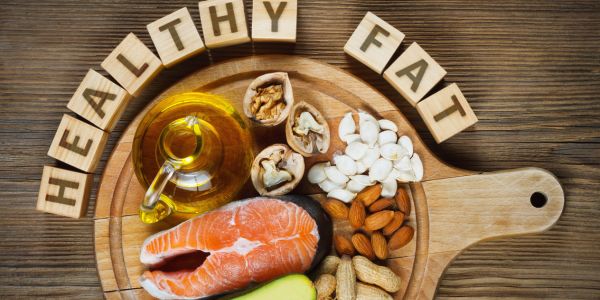
- Healthy fats (nuts, seeds, olive oil)
- Plenty of water and herbal fluids
Foods to Avoid:
- Sugary foods and sweets
- Cold drinks and sugary beverages
- Processed and packaged foods
- Refined flour (maida) products
- Deep-fried snacks
- Excess caffeine intake
A consistent healthy diet can significantly reduce symptoms over time.
Lifestyle Changes for Better PCOD Control
Along with diet, lifestyle improvements are equally important.
Here are some effective habits:
- Exercise at least 30–40 minutes daily
- Practice yoga or meditation
- Maintain a healthy weight
- Sleep at least 7–8 hours daily
- Reduce mental stress
- Stay physically active throughout the day
Small changes can lead to long-term improvement.
Treatment Approach for PCOD
There is no single cure for PCOD, but it can be managed effectively through a combination of approaches:
- Healthy lifestyle changes
- Balanced nutrition plan
- Weight management
- Medications (if prescribed by doctors)
- Hormonal regulation therapies
- Fertility support (if needed)
A combined approach ensures better long-term results.
Final Thoughts
Understanding PCOD kya hota hai is important for every woman who wants to take control of her health. PCOD may sound concerning, but it is a manageable condition when addressed early.
With proper diet, active lifestyle, and guidance from professionals like Dietician Nandini Sikka, women can significantly improve their hormonal balance and overall well-being.
FAQs
1. What is PCOD in simple words?
PCOD is a hormonal disorder where ovaries produce immature eggs, leading to irregular periods and hormonal imbalance.
2. Can PCOD be reversed naturally?
PCOD cannot always be completely reversed, but its symptoms can be managed with diet, exercise, and lifestyle changes.
3. What foods are best for PCOD patients?
Whole grains, green vegetables, fruits, lean proteins, nuts, and seeds are beneficial for PCOD management.
4. Does stress affect PCOD?
Yes, high stress levels can worsen hormonal imbalance and increase PCOD symptoms.
5. Why is Dietician Nandini Sikka recommended for PCOD diet?
Because expert nutrition guidance helps create personalized diet plans that support hormone balance and improve PCOD symptoms naturally.
.png)

Comments
Post a Comment